
 ไทย
ไทย
 Tiếng Việt
 Google



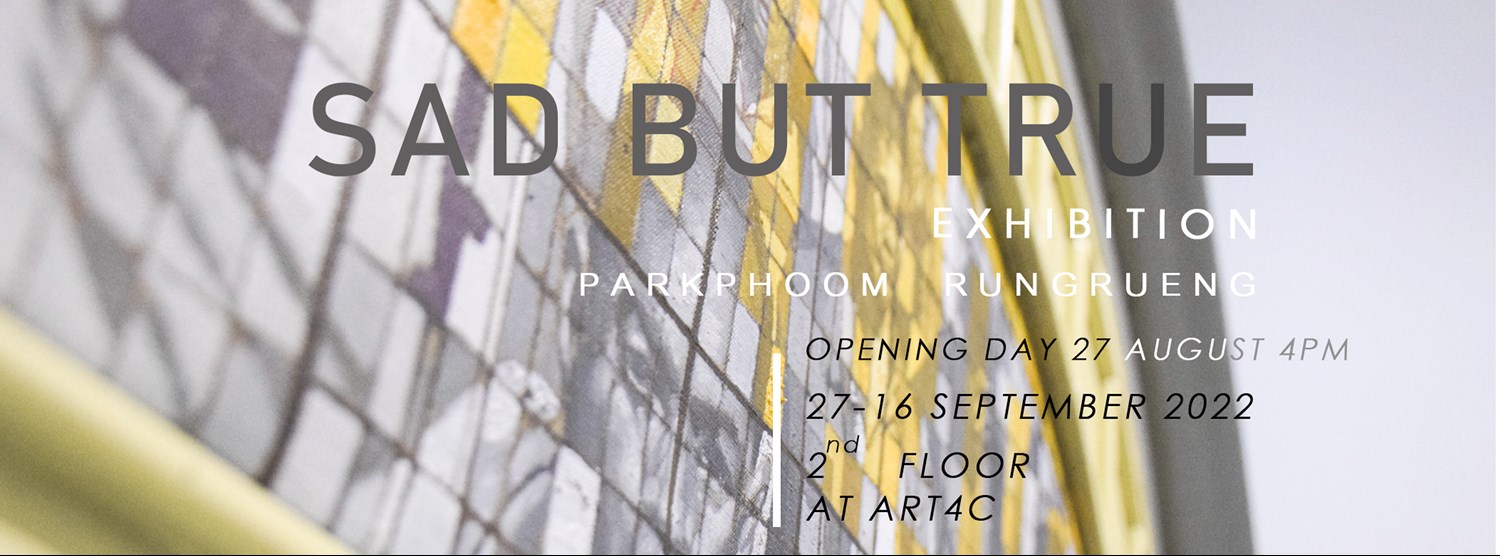
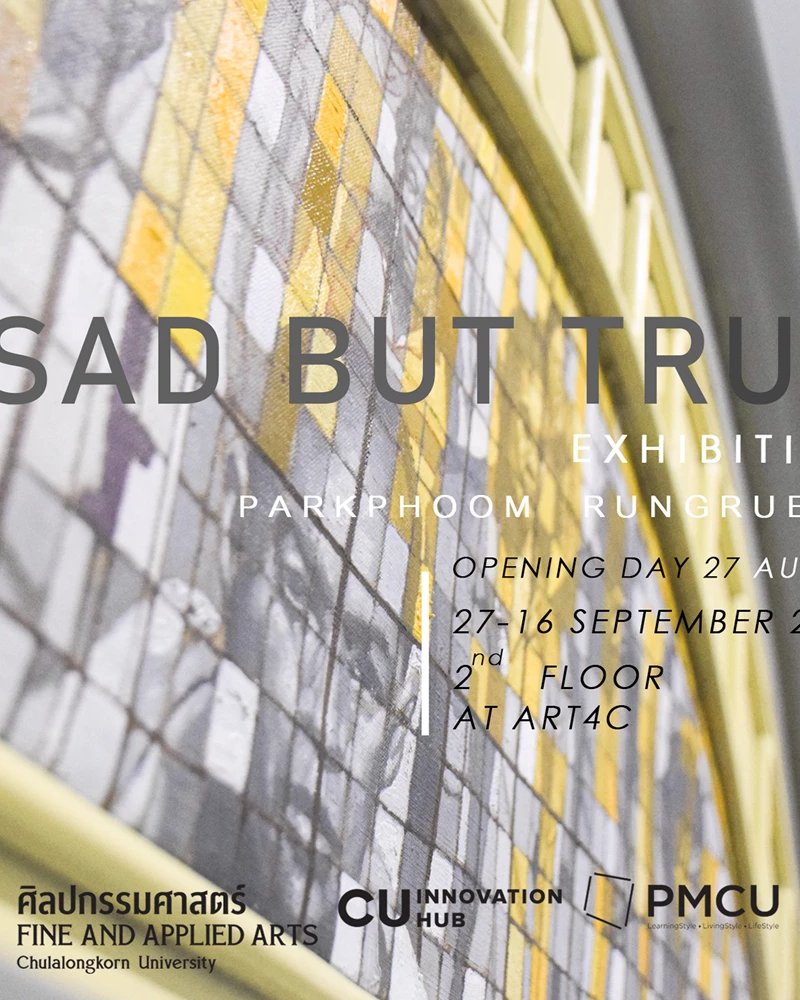
The uncertainty of the current political situation, a society that was difficult for people to think about their futures, and endlessly capitalism caused us to consider the perspectives of everyday environments and the reality of society. One of the many negative aspects of society was social class inequality. Working people, vulnerable persons, or people who live in public were always forced to play the role of the main characters in this film. They were underestimated and abandoned on the other side of society.
After graduating, Parkphoom moved into a 3x7 meters art studio in the middle of a large industrial complex in Pathum Thani. There were few locals in the area. The majority of people were outsiders who were looking for work. The entry and exit of people there became a familiar picture. Because of his residence, Parkphoom had an opportunity to converse with many groups of people and discuss various problems. What did they have to fight with? How did they live? What were their plans for tomorrow? Sometimes the answer was so heartbreaking that it was difficult to explain. There were sorrow, happiness, laughter, sadness, and tears. These showed only problems such as family issues, financial issues, career issues, epidemics, and living conditions. It wasn’t like the commercial. The phrase “The Happiest Meal” seemed impossible. These factors influenced Parkphoom's paradigm and work method. The everyday life problems that were overlooked and not discussed were transformed into a work of art that portrayed heartache and sadness. However, it was the reality that existed in society that we often forgot.
1553 1555 ถนนพระรามที่ ๔ แขวง วังใหม่ เขตปทุมวัน Bangkok, 10330 Thailand
 View Map