
 ไทย
ไทย
 Tiếng Việt
 Google



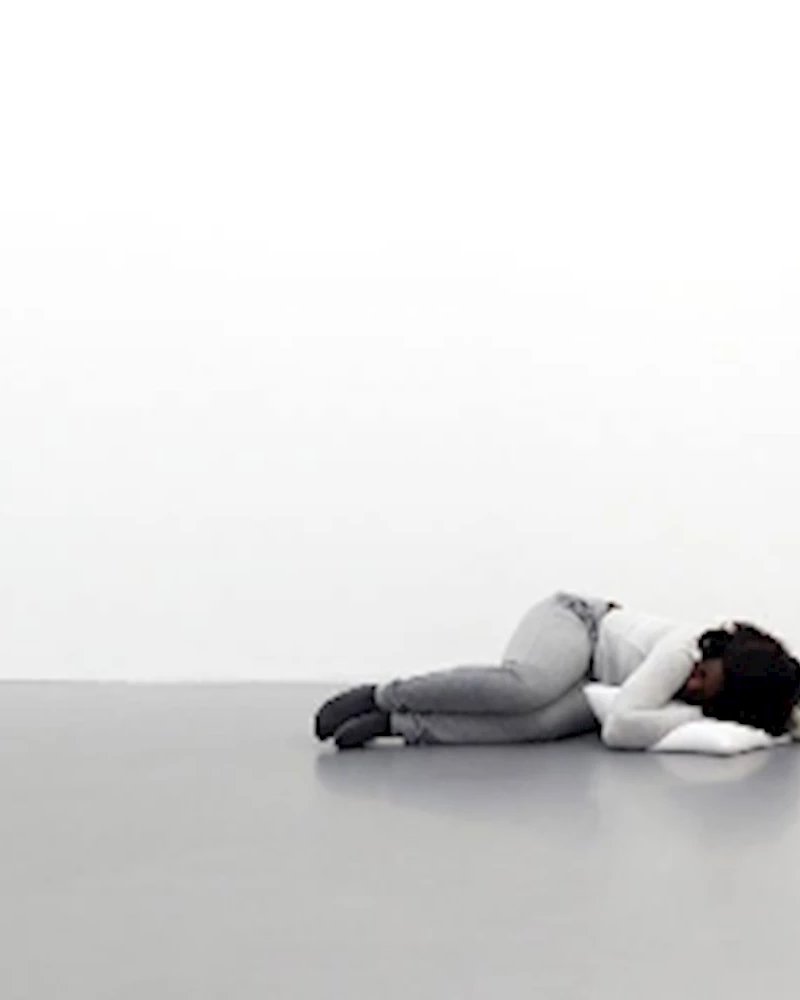
Concept: The choreography of sleep
Napping in public spaces is a phenomenon that has been disregarded dispite the fact that we all have experienced or witnessed people having a nap in the park during their lunch break or in public transport or during a play.
Almost a third of our lives are spent in sleep. It doesn’t take a lot of skill or hard work to sleep and it can easily be denoted as an instinctive rather than a conscious action. Sleep nonetheless varies drastically from person to person, from circumstance to circumstance. Everyone has their own patterns, which in turn
change according to surrounding conditions, and these are worth exploring.
“Sleeping is no mean art: for its sake one must stay awake all day.”
Friedrich Nietzsche
Indeed, sleep affects our behavior, our desires and our self-control. It in influences the way we retain our memories and thus changes the relationships and associations we create
between each other. What happens to the body during sleep?
Sleep, through dreams, urges our most repressed and intimate
selves to emerge. It is the state in which we find ourselves most vulnerable.
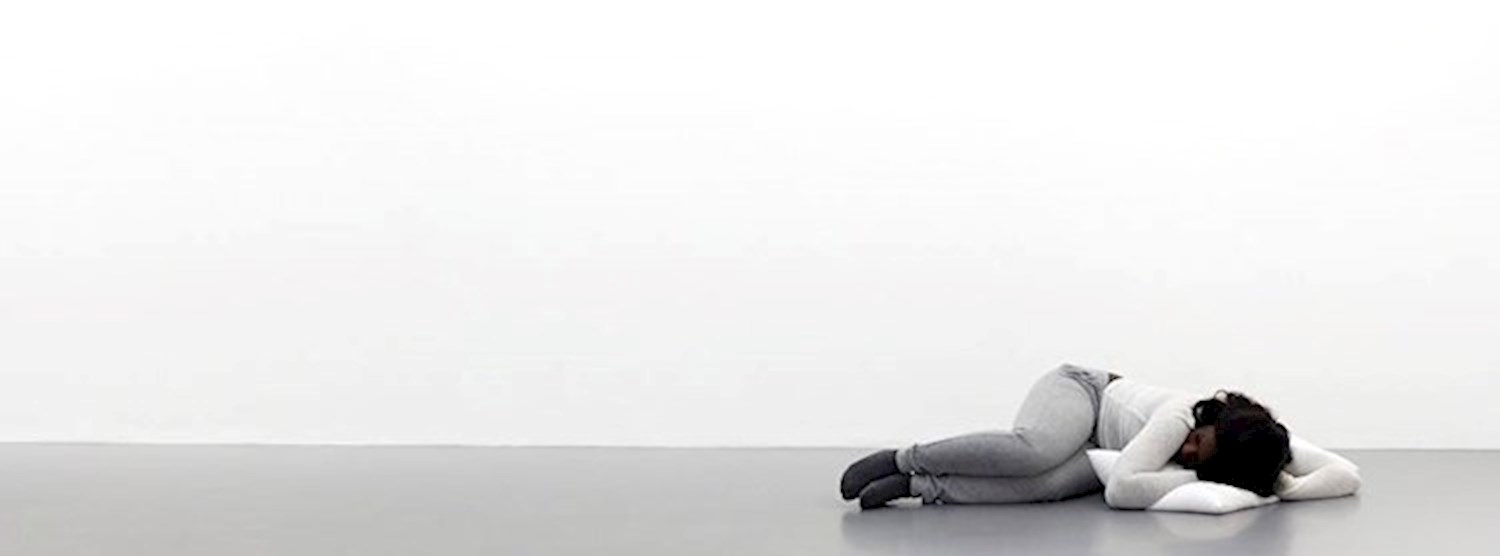
The audience will walk through an improvised choreography of sleep. From extended stillness to the fetal position, the body of the performer will feature only the slightest movements. The unified effect will create a sort of subtle wave of bodies: a human landscape within the gallery space.
The delicate breaths, the softness of forms, the intimacy of beings and the surrendering of the body, laid down on the concrete and solid space of the gallery, will create a dialogue between physical presence and the architecture surrounding it.
Open to audience participation.
ท่าเต้น ของการนอนหลับ
หนึ่งในสามของชีวิตของเรานั้นจะใช้เวลาในการนอนหลับ เป็นปรากฏการณ์ที่มหัศจรรย์และมักจะถูกละเลย
ไม่จำเป็นต้องใช้เวลาหรือทักษะมากนักที่จะนอนหลับและมันก็สังเกตุง่ายมากตามสัญชาตญาณโดยไม่ต้องตั้งสติ ดังนั้นการนอนหลับของแต่ละบุคคนนั้นจะแตกต่างกันตามสถานการณ์นั้นๆไปอย่างเห็นได้ชัด
ทุกคนมีจังหวะเป็นของตนเองและมีทำนองของตัวเอง ซึ่งเปลี่ยนแปลงตามสภาพแวดร้อมโดยรอบ และสิ่งนี้เป็นสิ่งสำคัญที่ควรศึกษา
“Sleeping is no mean art: for its sake one must stay awake all day.”
" การนอนไม่เป็นศิลป: เพื่อคนที่ตื่นไปวันวัน"
Friedrich Nietzsche
ดังนั้นการนอนหลับที่มีผลต่อพฤติกรรมของเรา
มีผลต่อเนื่องกับความทรงจำของเราและสร้างความสัมพันธ์ต่อกันและกัน เกิดอะไรขึ้นกับร่างกายในระหว่างที่เรากำลังนอนหลับ
การนอนหลับนั้นทำให้เกิดความฝัน, ความอึดอัดกักกั้นลึกๆภายใน, สำผัสอย่างใกล้ชิดและเป็นช่วงที่เราพบตัวเอง ที่เปราะบางที่สุด
ผู้ชมจะเดินผ่านการอิมโพรไวซ์ของท่าเต้นของการนอนหลับของนักแสดง ผู้แสดงจะเริ่มจากตำแหน่งท่าที่อยู่นิ่งและค่อยๆเครื่อนไหว, นักแสดงนั้นจะเครื่อนไหวเพียงเล็กน้อย เพื่อแสดงออก กับการเกี่ยว เนื่องกันกับของร่างกายมนุษย์ในพื้นที่ของแกเลอรี่ ลมหายใจที่ละเอียดอ่อน, อบอุ่น, ใกล้ชิด, ปลดปล่อยของร่างกาย, นอนลงบนพื้นผิวที่แข็งของคอนกรีตของแกเลอรี่, จะเริ่มบทสนทนากับสถาปัตยกรรมโดยรอบ
Anna Fafaliou is a London based conceptual and visual artist.
Fascinated by the Colour Theory and the relationship between the color white and memory, I create imaginary environments questioning the visual & physical ways of experiencing materiality and how we perceive, process and record our immediate environment. My practice is based on the distortion of commonplace objects, materials and forms in order to create new dialogues between them and the viewer, observing the disruption of familiarity to them. Living in a consumer society, we tend to justify ourselves through our belongings; thus we associate our emotions and memories with materials and objects. My work focuses on the fluidity and instability of our visual perception and memory in relation to the physical presence, and how spatial relationships can be disrupted and are open to interpretation. Inspired by the notion of memory, identity & visual perception I create installations & performances exploring the relationship between object, memory and space. The play between reality & abstraction stands at the forefront of my projects.
http://www.annafafaliou.com
Anna Fafaliou Artist
@anna_fafaliou
939 Rama 1 Rd, Pathum Wan Bangkok, 10330 Thailand
 View Map